Electrical Home Repairs and Services, West Midlands; A Vital Service

12 September 2024

Electrical malfunctions can pose serious safety risks.

Electrical safety is a critical aspect of home and business ownership. Getting any electrical repairs, completed quickly and efficiently, should be a high priority. Understanding the potential hazards and taking preventive measures can significantly reduce the risk of electrical accidents. In this comprehensive guide, we will delve into the importance of electrical safety, common hazards, and essential tips for maintaining a safe electrical environment.


Common Electrical Hazards

  • Overloaded Circuits: When too many electrical devices are connected to a single circuit, it can become overloaded, leading to overheating and potentially causing a fire.
  • Faulty Wiring: Damaged or deteriorated wiring can pose a serious safety risk. Loose connections, frayed wires, or exposed wiring can lead to electrical shocks or fires.
  • Water Damage: Water and electricity do not mix. Exposure to moisture can cause electrical components to malfunction or short-circuit, resulting in dangerous situations.
  • Outdated Electrical Systems: Older homes or buildings may have outdated electrical systems that do not meet current safety standards. These systems may be more prone to failures and hazards.


Electrical Safety Tips

  • Regular Inspections: Conduct regular inspections of your electrical system to identify and address potential hazards. Hire a qualified electrician for thorough inspections. Fixed Wire Telford can provide comprehensive electrical safety inspections.
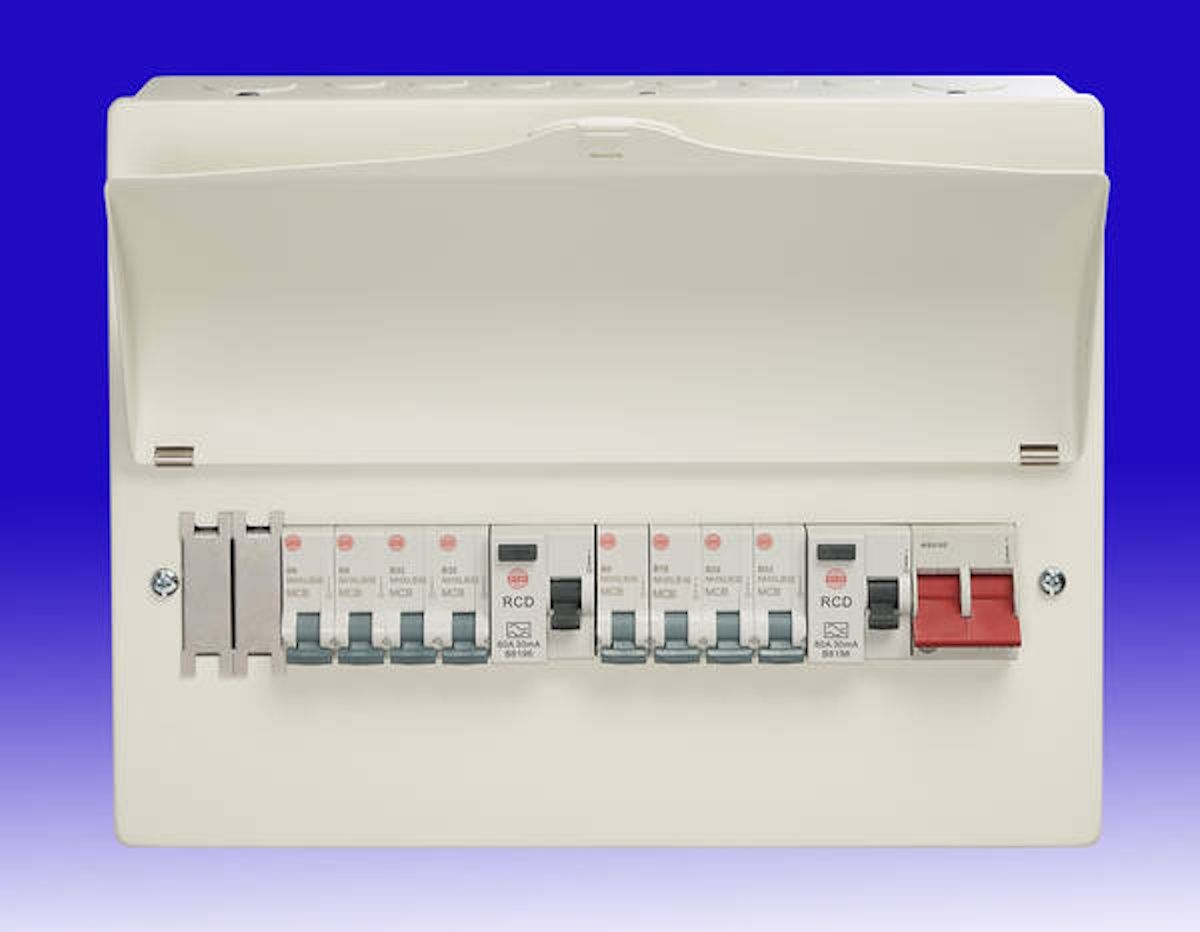
  • Circuit Breaker Maintenance: Ensure your circuit breakers are functioning properly. If a breaker frequently trips, it may indicate an underlying issue. Fixed Wire Telford can diagnose and repair circuit breaker problems.
  • Avoid Overloading Circuits: Distribute electrical loads evenly across different circuits to prevent overloading. Fixed Wire Telford can help you identify and address overloading issues.
  • Use Surge Protectors: Protect your electronic devices from voltage surges by using surge protectors. Fixed Wire Telford can recommend and install appropriate surge protectors.
  • Water Safety: Keep electrical outlets and devices away from water sources. Avoid using electrical appliances in wet areas. Fixed Wire Telford can assess your electrical system for water damage risks and provide solutions.
  • Professional Installation: For any electrical installations or repairs, always hire a licensed electrician. Fixed Wire Telford offers professional electrical installation and repair services.
  • Child Safety: Use child safety covers on electrical outlets to prevent accidents. Fixed Wire Telford can provide and install child safety covers.


Signs of Electrical Problems

  • Flickering Lights: Frequent flickering lights might indicate a loose connection or a problem with the wiring.
  • Burning Smells: A burning smell coming from electrical outlets or devices is a serious warning sign.
  • Discoloured Outlets: Outlets that are discoloured or show signs of heat damage may be faulty.
  • Tripping Breakers: Frequent tripping of circuit breakers can be a symptom of an underlying electrical issue.


Conclusion

By following these electrical safety tips and being aware of common hazards, you can significantly reduce the risk of electrical accidents in your home or business. Remember, when in doubt, consult a qualified electrician like Fixed Wire Telford to ensure the safety of your electrical system.
by Tom Clewer • 15 June 2026
Keep Your Emergency Lights Working: A British Standard Maintenance Guide
by Tom Clewer • 18 May 2026
Why Your Property Needs a 5-Year Electrical Test 
by Tom Clewer • 5 March 2026
Understanding the Difference Between Fixed Wire Testing (EICR) and PAT Testing 
by Tom Clewer • 9 February 2026
Remedial work is a term you’ll hear often in construction, property maintenance, and facilities management. At its core, it refers to tasks and projects undertaken to correct defects, improve safety, or bring a space up to current standards. When people discuss remedial work, they are typically talking about actions that restore functionality, reliability, and compliance after something has gone wrong or after a building has aged beyond its intended lifespan. In this post, we’ll unpack what remedial work means, with a focus on electrical remedial works , and explain why these projects matter. Introduction to remedial work Remedial work encompasses a broad range of activities designed to address issues identified during inspections, surveys, or routine maintenance. It can cover cosmetic repairs as well as structural or systems-based fixes. The common thread is that remedial work seeks to fix problems that could lead to bigger faults if left unattended. For property managers, developers, and building owners, recognising when remedial work is needed is essential for risk management, occupancy safety, and regulatory compliance. What are electrical remedial works? Electrical remedial works specifically relate to fixing, upgrading, or replacing electrical systems and components. This can include: Replacing outdated wiring or fuse boards to meet current electrical standards. Upgrading circuits to handle higher loads, reducing the risk of overheating. Replacing damaged conduits, outlets, or switches that pose safety hazards. Implementing safer protective measures such as residual current devices (RCDs) or arc fault protection. Repairing or replacing electrical panels after a fault or failure. Correcting issues uncovered during electrical testing and inspections, such as following a electrical remedial works plan. Electrical remedial works are critical for ensuring safety, reducing fire risk, improving energy efficiency, and maintaining compliant electrical installations across a building or site. When is remedial work required? Remedial work is typically triggered by one or more of the following: Routine maintenance inspections or scheduled surveys reveal defects or non-compliance. Safety audits identify risks that require mitigation. A fault, failure, or near-miss indicates vulnerable components or systems. A change in use or occupancy imposes new regulatory requirements. Post-incident assessments determine necessary fixes to prevent recurrence. In all cases, the goal of remedial works is to address the root cause, not just the symptom, and to restore safe, reliable operation. The process of planning electrical remedial works A robust approach to electrical remedial works usually follows a structured process: Discovery and assessment: Qualified electricians or engineers inspect the site, review electrical drawings, and perform testing to identify defects and non-compliances. Prioritisation and risk assessment: Issues are ranked by severity, likelihood, and potential impact on safety and operations. Remedial design and specification: A detailed plan outlines the necessary improvements, materials, workmanship standards, and any temporary precautions during works. Compliance and approvals: Works align with current electrical standards, such as the UK’s IET Wiring Regulations (BS 7671) and any local building codes. Implementation and supervision: Skilled tradespeople carry out the works under controlled conditions, with quality checks and safety supervision. Verification and documentation: Post-work testing confirms performance and compliance, and records are updated for future reference. Considerations for electrical remedial works Safety first: Electrical remedial works carry significant risk. Ensure that a competent person or qualified electrician leads the project. Accurate scoping: A thorough assessment helps avoid scope creep and ensures all defects are addressed. Timeliness: Delays can extend risk exposure, particularly where lives are at stake or where critical services rely on electrical systems. Budget and value: While remedial works can be costly, they protect against expensive failures and potential penalties for non-compliance. Documentation: Keep meticulous records of tests, actions taken, and compliance certification for future inspections. Case studies: real-world examples of remedial works A commercial office building identified aging distribution boards during a routine electrical test. Electrical remedial works were planned to upgrade to a modern, safer distribution system with new RCD protection, improving safety and reducing nuisance tripping. A residential block discovered damaged conduit during refurbishment. The remedial works included replacing sections of conduit, updating wiring routes, and ensuring all outlets were correctly rated for the new layout. An industrial site needed a compliance upgrade after a regulatory change. Electrical remedial works involved a full rewire of critical circuits and a switchgear upgrade to meet new standards. The benefits of investing in electrical remedial works Enhanced safety: Up-to-date wiring, protection, and panels significantly reduce the risk of electric shock and fire. Improved reliability: Replacing worn components lowers the chance of unexpected outages. Compliance and peace of mind: Meeting current UK regulations helps avoid penalties and ensures safer occupancy. Energy efficiency: Modern electrical components can improve efficiency and reduce utility costs. Asset longevity: Proactive remediation extends the life of electrical installations. Final thoughts Remedial work, including electrical remedial works, is a proactive approach to building safety, reliability, and compliance. By identifying defects early, planning carefully, and engaging qualified professionals, organisations can prevent costly failures and create safer environments for occupants. If you’re responsible for a property or facility, maintain a structured remedial works program that addresses both immediate safety concerns and longer-term regulatory requirements. Properly executed remedial work is not just about fixing what’s broken; it’s about safeguarding people, protecting assets, and ensuring continuous, safe operation of essential electrical systems.
Man in hard hat promoting SafeContractor accreditation for Shropshire businesses. Bright yellow background with FWT logo.
by Tom Clewer • 19 January 2026
Fixed Wired Telford in Shropshire explains what Safe Contractor approved means for electricians and why our Safe Contractor accreditation matters.
by Tom Clewer • 7 October 2025
Electrical Faults in Telford, Shropshire.
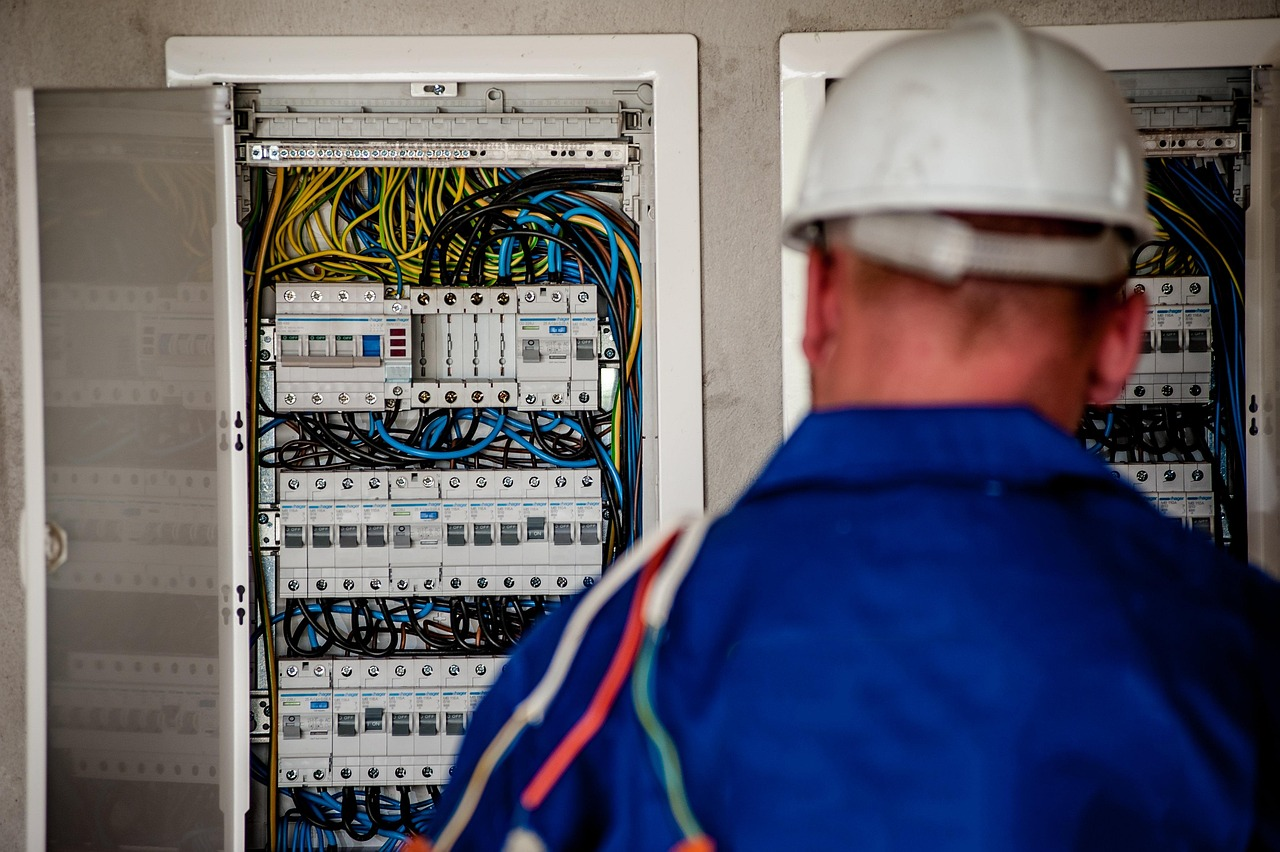
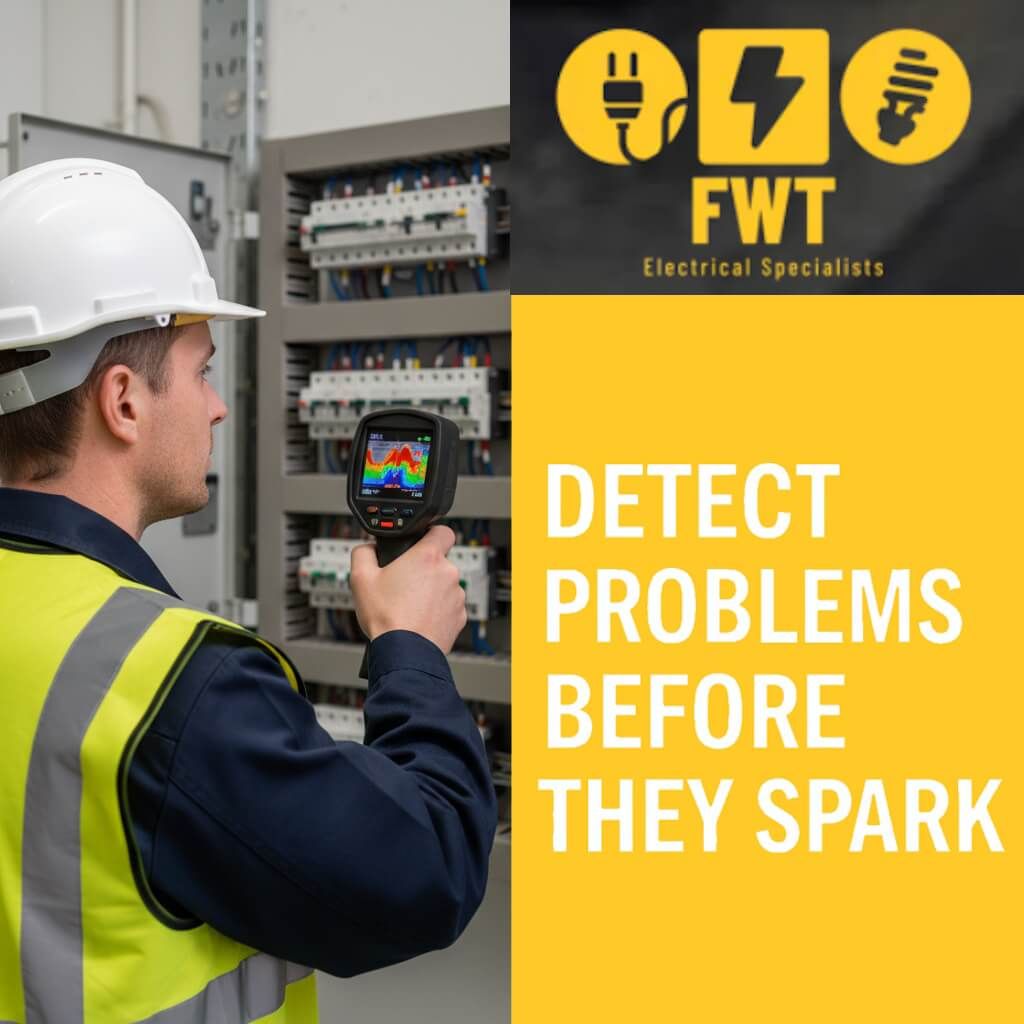
Electrician in blue uniform and white helmet inspects an electrical panel, wires visible.
by Tom Clewer • 4 September 2025
Fixed Wire Telford helps you understand how often to check EICR, common causes of electrical faults, and how to prepare electrical systems for winter.
Yellow icons: plug, lightning bolt, and lightbulb, with the letters
by Tom Clewer • 4 August 2025
What is fixed wire testing? Learn what this essential electrical safety inspection involves, why it's vital for safety, and how often it's required.
by Simon Greene • 15 July 2025
Here at Fixed Wire Telford, we are proud to announce that we have been awarded the prestigious Safety Schemes in Procurement (SSIP) accreditation. This is a significant achievement for our company and a testament to our unwavering commitment to the highest standards of health and safety in all our electrical work. For those who may not be familiar with it, SSIP is an umbrella body that facilitates mutual recognition between different health and safety assessment schemes. Being SSIP accredited means that our health and safety procedures have been rigorously assessed and have been deemed to meet the high standards of the SSIP Core Criteria, which is endorsed by the Health and Safety Executive (HSE). So, what does our new SSIP accreditation mean for you, our valued customer? It provides you with the peace of mind that when you choose Fixed Wire Telford for your electrical needs, you are choosing a company that has been independently verified as having a strong commitment to health and safety. It simplifies the process of selecting a contractor, as you can be assured that we have already met the necessary health and safety standards. This not only saves you time and resources in your selection process, but it also significantly reduces your risk. Our SSIP accreditation is another layer to our existing commitment to safety, which is also demonstrated by our long-standing SafeContractor approval. We believe in going above and beyond to ensure the safety of our clients, our team, and the public. Whether you require an Electrical Installation Condition Report (EICR), PAT testing, a new fire alarm system, or emergency lighting, you can be confident that you are in safe hands with Fixed Wire Telford. We are your trusted, local electricians for Telford and the wider Shropshire area, providing a comprehensive range of electrical services for both domestic and commercial clients. If you have any questions about our new SSIP accreditation or would like to discuss your electrical requirements, please do not hesitate to get in touch. We are always happy to help.
A blue circle with a flower in the middle that says safecontractor approved.
by Tom Clewer • 9 June 2025
Importance of Contractor Certification
More posts