What does remedial work mean?
Remedial work is a term you’ll hear often in construction, property maintenance, and facilities management. At its core, it refers to tasks and projects undertaken to correct defects, improve safety, or bring a space up to current standards. When people discuss remedial work, they are typically talking about actions that restore functionality, reliability, and compliance after something has gone wrong or after a building has aged beyond its intended lifespan. In this post, we’ll unpack what remedial work means, with a focus on electrical remedial works, and explain why these projects matter.
Introduction to remedial work
Remedial work encompasses a broad range of activities designed to address issues identified during inspections, surveys, or routine maintenance. It can cover cosmetic repairs as well as structural or systems-based fixes. The common thread is that remedial work seeks to fix problems that could lead to bigger faults if left unattended. For property managers, developers, and building owners, recognising when remedial work is needed is essential for risk management, occupancy safety, and regulatory compliance.
What are electrical remedial works?
Electrical remedial works specifically relate to fixing, upgrading, or replacing electrical systems and components. This can include:
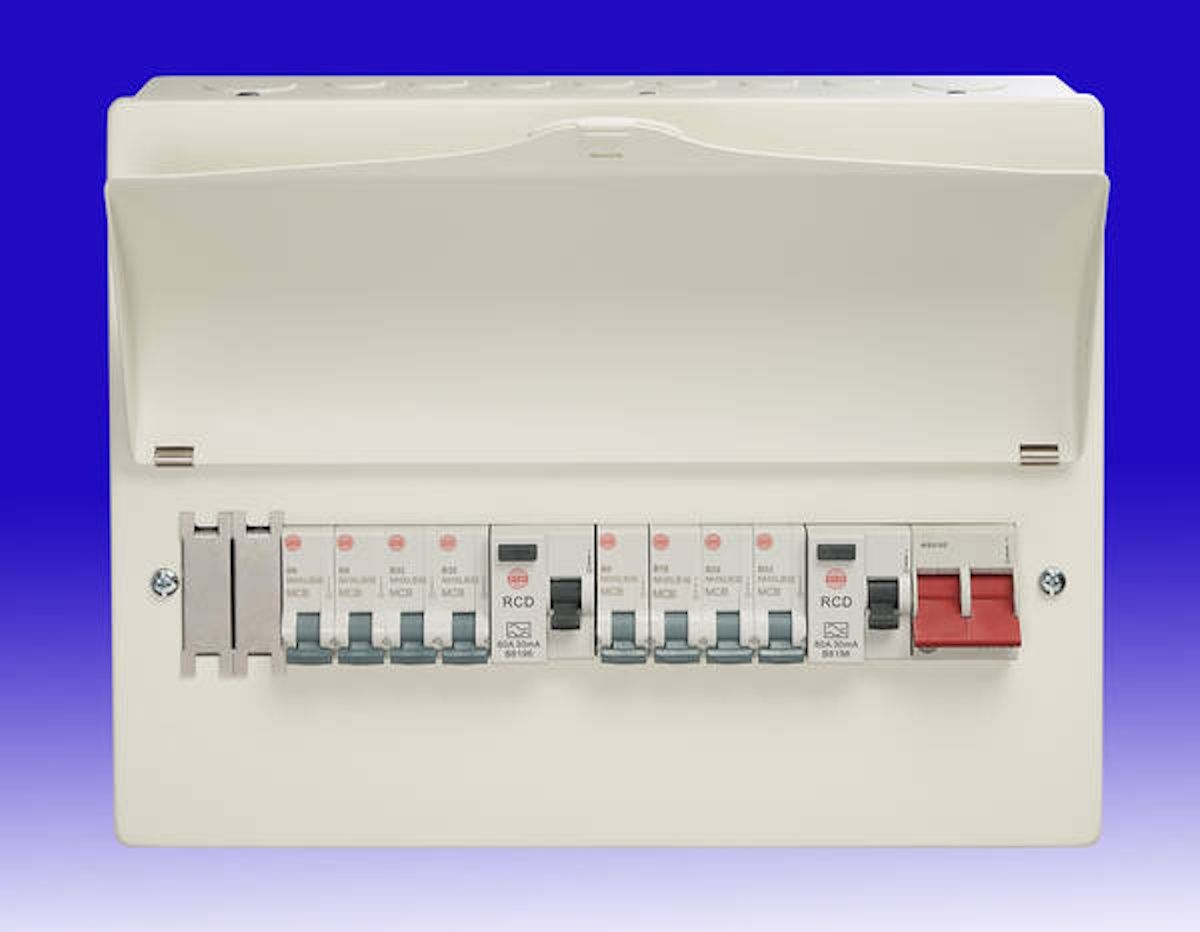
- Replacing outdated wiring or fuse boards to meet current electrical standards.
- Upgrading circuits to handle higher loads, reducing the risk of overheating.
- Replacing damaged conduits, outlets, or switches that pose safety hazards.
- Implementing safer protective measures such as residual current devices (RCDs) or arc fault protection.
- Repairing or replacing electrical panels after a fault or failure.
- Correcting issues uncovered during electrical testing and inspections, such as following a electrical remedial works plan.
Electrical remedial works are critical for ensuring safety, reducing fire risk, improving energy efficiency, and maintaining compliant electrical installations across a building or site.
When is remedial work required?
Remedial work is typically triggered by one or more of the following:
- Routine maintenance inspections or scheduled surveys reveal defects or non-compliance.
- Safety audits identify risks that require mitigation.
- A fault, failure, or near-miss indicates vulnerable components or systems.
- A change in use or occupancy imposes new regulatory requirements.
- Post-incident assessments determine necessary fixes to prevent recurrence.
In all cases, the goal of remedial works is to address the root cause, not just the symptom, and to restore safe, reliable operation.
The process of planning electrical remedial works
A robust approach to electrical remedial works usually follows a structured process:
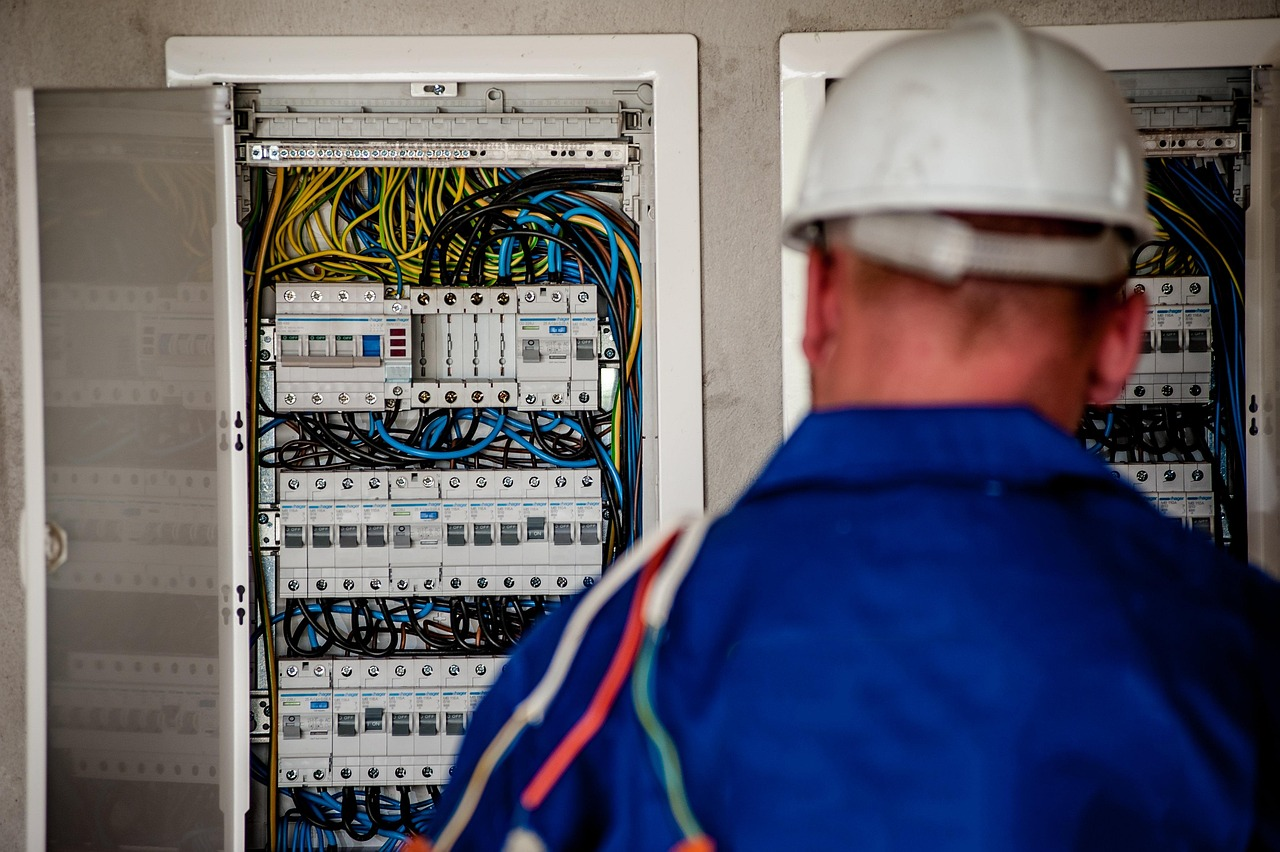
- Discovery and assessment: Qualified electricians or engineers inspect the site, review electrical drawings, and perform testing to identify defects and non-compliances.
- Prioritisation and risk assessment: Issues are ranked by severity, likelihood, and potential impact on safety and operations.
- Remedial design and specification: A detailed plan outlines the necessary improvements, materials, workmanship standards, and any temporary precautions during works.
- Compliance and approvals: Works align with current electrical standards, such as the UK’s IET Wiring Regulations (BS 7671) and any local building codes.
- Implementation and supervision: Skilled tradespeople carry out the works under controlled conditions, with quality checks and safety supervision.
- Verification and documentation: Post-work testing confirms performance and compliance, and records are updated for future reference.
Considerations for electrical remedial works
- Safety first: Electrical remedial works carry significant risk. Ensure that a competent person or qualified electrician leads the project.
- Accurate scoping: A thorough assessment helps avoid scope creep and ensures all defects are addressed.
- Timeliness: Delays can extend risk exposure, particularly where lives are at stake or where critical services rely on electrical systems.
- Budget and value: While remedial works can be costly, they protect against expensive failures and potential penalties for non-compliance.
- Documentation: Keep meticulous records of tests, actions taken, and compliance certification for future inspections.
Case studies: real-world examples of remedial works
- A commercial office building identified aging distribution boards during a routine electrical test. Electrical remedial works were planned to upgrade to a modern, safer distribution system with new RCD protection, improving safety and reducing nuisance tripping.
- A residential block discovered damaged conduit during refurbishment. The remedial works included replacing sections of conduit, updating wiring routes, and ensuring all outlets were correctly rated for the new layout.
- An industrial site needed a compliance upgrade after a regulatory change. Electrical remedial works involved a full rewire of critical circuits and a switchgear upgrade to meet new standards.
The benefits of investing in electrical remedial works
- Enhanced safety: Up-to-date wiring, protection, and panels significantly reduce the risk of electric shock and fire.
- Improved reliability: Replacing worn components lowers the chance of unexpected outages.
- Compliance and peace of mind: Meeting current UK regulations helps avoid penalties and ensures safer occupancy.
- Energy efficiency: Modern electrical components can improve efficiency and reduce utility costs.
- Asset longevity: Proactive remediation extends the life of electrical installations.
Final thoughts
Remedial work, including electrical remedial works, is a proactive approach to building safety, reliability, and compliance. By identifying defects early, planning carefully, and engaging qualified professionals, organisations can prevent costly failures and create safer environments for occupants. If you’re responsible for a property or facility, maintain a structured remedial works program that addresses both immediate safety concerns and longer-term regulatory requirements. Properly executed remedial work is not just about fixing what’s broken; it’s about safeguarding people, protecting assets, and ensuring continuous, safe operation of essential electrical systems.