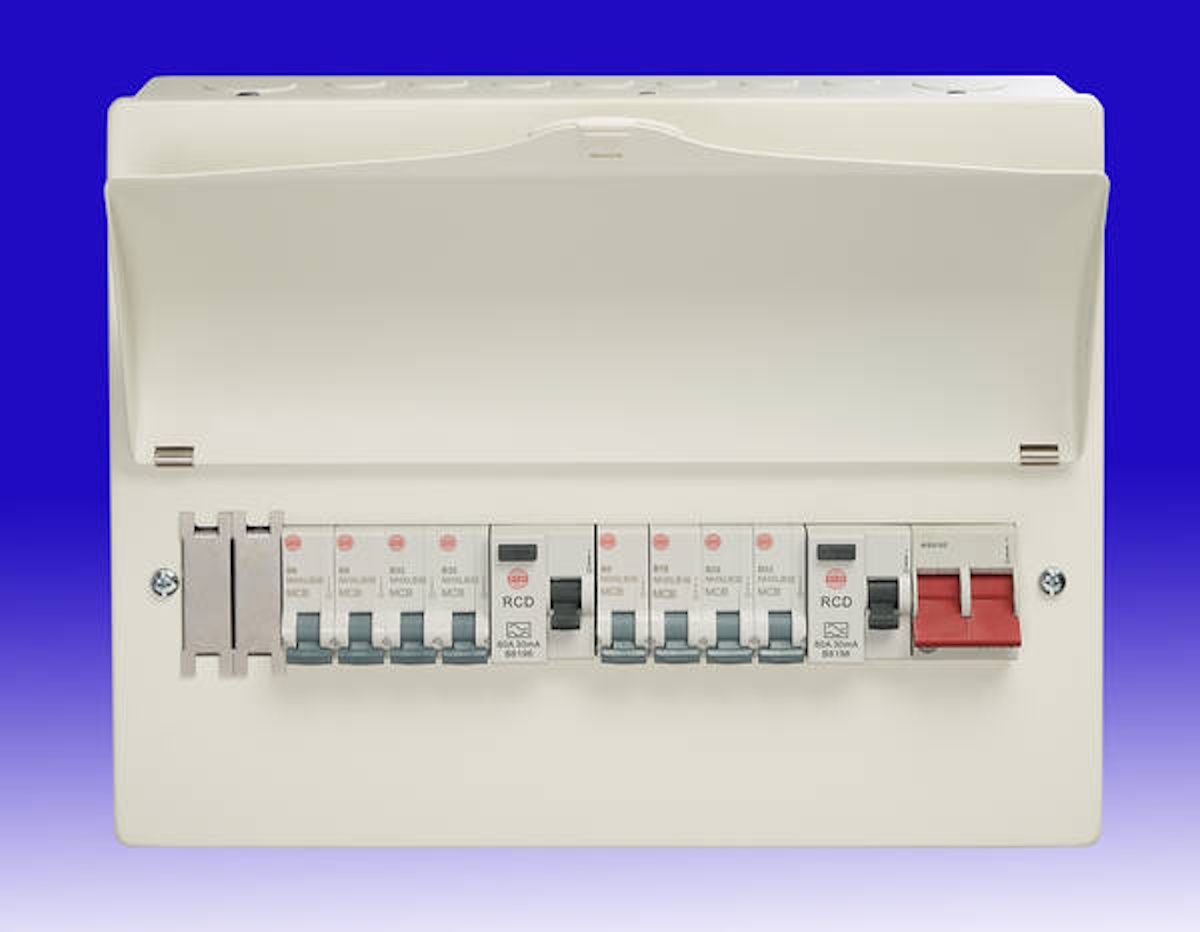
Don't get shocked by damaged electrical wire. In Telford!

Tom Clewer • 25 March 2025

The Importance of choosing the right company, for all your electrical work.

Don't Get Shocked! Why Choosing the Right Electrician in Telford is Crucial

Your home or business hums with the power of electricity, a vital force that keeps everything running smoothly. But when electrical issues arise, it's more than just an inconvenience – it can be a serious safety risk. That's why securing the services of reliable and qualified electricians in Telford, Shropshire is paramount.


Whether you're dealing with a frustrating faulty socket, planning an extension, or require electrical testing, selecting the right electrician in Telford is a decision that impacts your safety and peace of mind. Navigating the options can feel overwhelming, but this guide will highlight crucial considerations and explain why Fixed Wire Telford should be your first call for all your electrical needs.

The Importance of Expertise: Why Qualified Electricians Matter


Resisting the urge to DIY electrical work or opting for the cheapest quote can have significant consequences. Electricity demands respect and expertise. Improper handling can lead to:

  • Fire Hazards: Defective wiring is a major cause of fires. Protecting your property and loved ones is paramount.
  • Electric Shocks: Incorrect installations or damaged components pose a real risk of electric shock, which can be life-threatening.
  • Appliance Damage: Power surges and inconsistent supply can damage your valuable appliances and electronics.
  • Increased Energy Costs: Inefficient wiring can lead to wasted energy and higher bills.
  • Regulatory Issues: Electrical work must adhere to strict safety standards. Using unqualified individuals can lead to legal problems and invalidate insurance.

This underscores the critical role of professional electricians in Telford. They possess the necessary knowledge, skills, and experience to handle electrical tasks safely and effectively, ensuring the integrity of your electrical system and your safety.

Key Considerations When Choosing Electricians in Telford

Finding the right electrician in Telford requires careful evaluation. Here are essential factors to consider:


  • Qualifications and Accreditation: Verify that the electrician is fully qualified and holds relevant certifications from recognised bodies. This confirms their competence and adherence to industry best practices.
  • Experience and Specialisation: Consider the electrician's experience, particularly with the type of work you need. Do they focus on domestic, commercial, or industrial electrical services? An experienced electrician in Telford will have encountered diverse issues and can provide effective solutions.
  • Reputation and References: Explore online reviews and testimonials from previous clients. A reputable electrician in Telford will have a history of satisfied customers. Don't hesitate to ask for references.
  • Insurance Coverage: Ensure the electrician has adequate public liability insurance. This protects you against potential damage or injury during the work.
  • Transparent Pricing: Request a detailed and clear quote before any work commences. Be cautious of unusually low quotes, as they might indicate inexperience or compromised quality. A trustworthy electrician in Telford will offer a fair and transparent breakdown of costs.
  • Communication and Professionalism: Assess the electrician's communication skills and professionalism. Are they responsive, punctual, and respectful of your property? Clear communication is key to a positive experience.

Fixed Wire Telford: Your Trusted Electrical Partner in Shropshire

At Fixed Wire Telford, we are committed to providing reliable and safe electrical services. Our team of highly skilled and qualified electricians in Telford, Shropshire, is dedicated to delivering exceptional workmanship and prioritizing customer satisfaction.

Here’s why Fixed Wire Telford is the right choice for you:


  • Qualified and Experienced Electricians: Our team comprises fully certified electricians in Telford, guaranteeing that all work is completed to the highest safety and compliance standards.
  • Comprehensive Electrical Services: From minor repairs and installations to complete rewiring and commercial electrical solutions, we offer a wide range of services to meet your specific needs. Whether you're a homeowner seeking a dependable electrician in Telford or a business requiring ongoing electrical maintenance, we are here to help.
  • Unwavering Commitment to Safety: Safety is at the core of our operations. We strictly adhere to safety regulations and utilise high-quality materials to ensure the long-term reliability and safety of your electrical system.
  • Transparent and Competitive Pricing: We provide clear and competitive quotes with no hidden fees. You can rely on our honest and upfront pricing for all your electrical projects in Telford.
  • Exceptional Customer Service: We pride ourselves on our professionalism, reliability, and dedication to customer satisfaction.  Our goal is to make the entire process as seamless and stress-free as possible for you. 
  • Local Expertise and Understanding: As a local business, we possess a deep understanding of the unique electrical needs of homes and businesses in Telford and the surrounding areas. When you search for Telford electricians, remember Fixed Wire Telford.


by Tom Clewer 9 February 2026
Remedial work is a term you’ll hear often in construction, property maintenance, and facilities management. At its core, it refers to tasks and projects undertaken to correct defects, improve safety, or bring a space up to current standards. When people discuss remedial work, they are typically talking about actions that restore functionality, reliability, and compliance after something has gone wrong or after a building has aged beyond its intended lifespan. In this post, we’ll unpack what remedial work means, with a focus on electrical remedial works , and explain why these projects matter. Introduction to remedial work Remedial work encompasses a broad range of activities designed to address issues identified during inspections, surveys, or routine maintenance. It can cover cosmetic repairs as well as structural or systems-based fixes. The common thread is that remedial work seeks to fix problems that could lead to bigger faults if left unattended. For property managers, developers, and building owners, recognising when remedial work is needed is essential for risk management, occupancy safety, and regulatory compliance. What are electrical remedial works? Electrical remedial works specifically relate to fixing, upgrading, or replacing electrical systems and components. This can include: Replacing outdated wiring or fuse boards to meet current electrical standards. Upgrading circuits to handle higher loads, reducing the risk of overheating. Replacing damaged conduits, outlets, or switches that pose safety hazards. Implementing safer protective measures such as residual current devices (RCDs) or arc fault protection. Repairing or replacing electrical panels after a fault or failure. Correcting issues uncovered during electrical testing and inspections, such as following a electrical remedial works plan. Electrical remedial works are critical for ensuring safety, reducing fire risk, improving energy efficiency, and maintaining compliant electrical installations across a building or site. When is remedial work required? Remedial work is typically triggered by one or more of the following: Routine maintenance inspections or scheduled surveys reveal defects or non-compliance. Safety audits identify risks that require mitigation. A fault, failure, or near-miss indicates vulnerable components or systems. A change in use or occupancy imposes new regulatory requirements. Post-incident assessments determine necessary fixes to prevent recurrence. In all cases, the goal of remedial works is to address the root cause, not just the symptom, and to restore safe, reliable operation. The process of planning electrical remedial works A robust approach to electrical remedial works usually follows a structured process: Discovery and assessment: Qualified electricians or engineers inspect the site, review electrical drawings, and perform testing to identify defects and non-compliances. Prioritisation and risk assessment: Issues are ranked by severity, likelihood, and potential impact on safety and operations. Remedial design and specification: A detailed plan outlines the necessary improvements, materials, workmanship standards, and any temporary precautions during works. Compliance and approvals: Works align with current electrical standards, such as the UK’s IET Wiring Regulations (BS 7671) and any local building codes. Implementation and supervision: Skilled tradespeople carry out the works under controlled conditions, with quality checks and safety supervision. Verification and documentation: Post-work testing confirms performance and compliance, and records are updated for future reference. Considerations for electrical remedial works Safety first: Electrical remedial works carry significant risk. Ensure that a competent person or qualified electrician leads the project. Accurate scoping: A thorough assessment helps avoid scope creep and ensures all defects are addressed. Timeliness: Delays can extend risk exposure, particularly where lives are at stake or where critical services rely on electrical systems. Budget and value: While remedial works can be costly, they protect against expensive failures and potential penalties for non-compliance. Documentation: Keep meticulous records of tests, actions taken, and compliance certification for future inspections. Case studies: real-world examples of remedial works A commercial office building identified aging distribution boards during a routine electrical test. Electrical remedial works were planned to upgrade to a modern, safer distribution system with new RCD protection, improving safety and reducing nuisance tripping. A residential block discovered damaged conduit during refurbishment. The remedial works included replacing sections of conduit, updating wiring routes, and ensuring all outlets were correctly rated for the new layout. An industrial site needed a compliance upgrade after a regulatory change. Electrical remedial works involved a full rewire of critical circuits and a switchgear upgrade to meet new standards. The benefits of investing in electrical remedial works Enhanced safety: Up-to-date wiring, protection, and panels significantly reduce the risk of electric shock and fire. Improved reliability: Replacing worn components lowers the chance of unexpected outages. Compliance and peace of mind: Meeting current UK regulations helps avoid penalties and ensures safer occupancy. Energy efficiency: Modern electrical components can improve efficiency and reduce utility costs. Asset longevity: Proactive remediation extends the life of electrical installations. Final thoughts Remedial work, including electrical remedial works, is a proactive approach to building safety, reliability, and compliance. By identifying defects early, planning carefully, and engaging qualified professionals, organisations can prevent costly failures and create safer environments for occupants. If you’re responsible for a property or facility, maintain a structured remedial works program that addresses both immediate safety concerns and longer-term regulatory requirements. Properly executed remedial work is not just about fixing what’s broken; it’s about safeguarding people, protecting assets, and ensuring continuous, safe operation of essential electrical systems.
Man in hard hat promoting SafeContractor accreditation for Shropshire businesses. Bright yellow background with FWT logo.
by Tom Clewer 19 January 2026
Fixed Wired Telford in Shropshire explains what Safe Contractor approved means for electricians and why our Safe Contractor accreditation matters.
by Tom Clewer 7 October 2025
Electrical Faults in Telford, Shropshire.
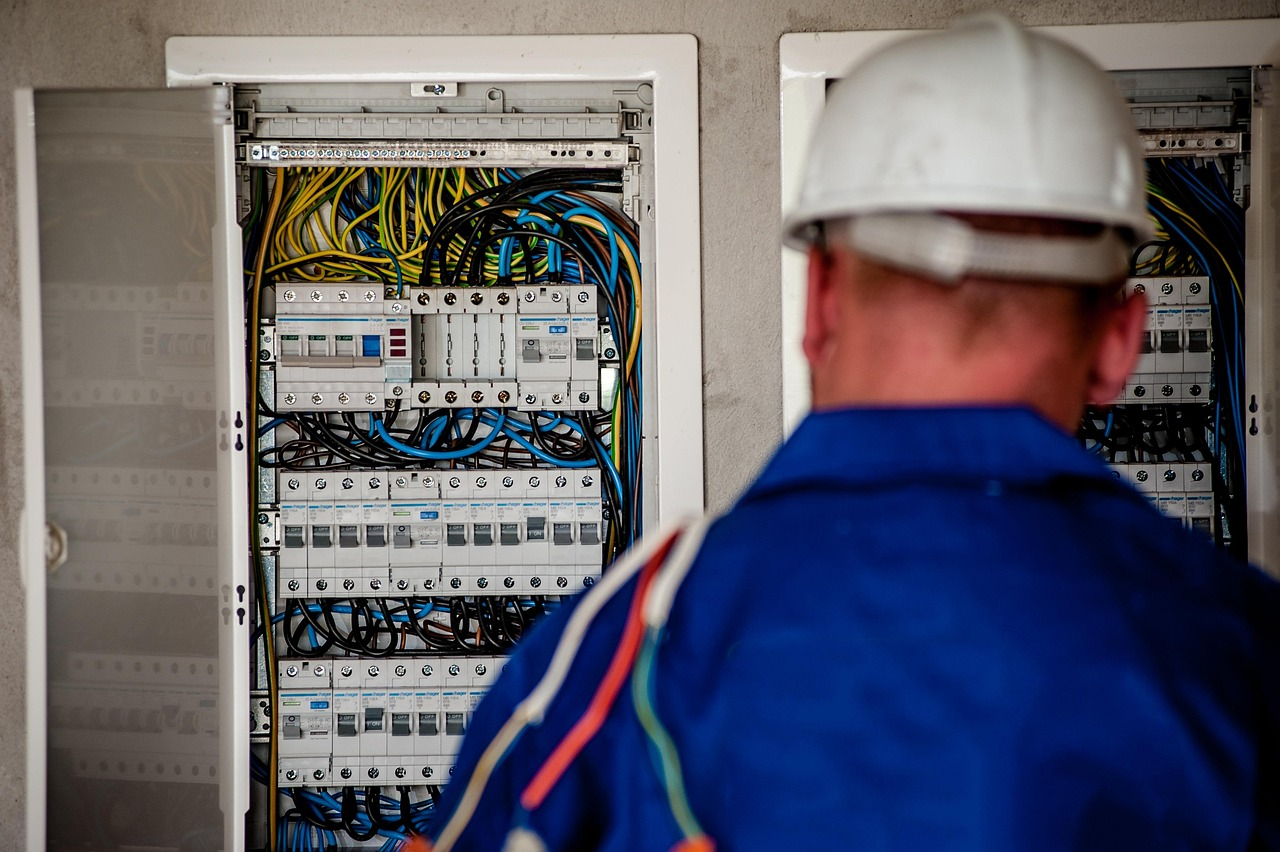
Electrician in blue uniform and white helmet inspects an electrical panel, wires visible.
by Tom Clewer 4 September 2025
Don't let autumn electrical faults disrupt your business. Discover how planned maintenance prevents breakdowns, ensures safety, and cuts costs.
by Tom Clewer 4 August 2025
What is Fixed Wire Testing? Ensuring electrical safety in homes, workplaces, and public spaces is paramount, and one key element in maintaining this safety is fixed wire testing . But what exactly does fixed wire testing involve, and why is it so essential? This article will explore the ins and outs of fixed wire testing, its importance, procedures, and how it helps protect people and property. Understanding Fixed Wire Testing Fixed wire testing, also known as fixed electrical installation testing, refers to the inspection and testing of the electrical wiring and fixed electrical systems within a building. Unlike portable appliance testing (PAT), which focuses on portable electrical equipment, fixed wire testing examines the fixed electrical installations such as power outlets, light fittings, distribution boards, and the wiring itself. The purpose of fixed wire testing is to ensure that the permanent electrical system is safe, functional, and compliant with current electrical regulations and standards, such as BS 7671 in the UK. This type of testing helps identify potential hazards like damaged cables, faulty connections, or deteriorated components before they cause accidents or failures. Why is Fixed Wire Testing Important? Electrical faults can pose serious risks, including electric shocks, fires, or damage to equipment. Regular fixed wire testing plays a critical role in preventing these dangers by detecting early signs of electrical problems. Here are some of the key reasons fixed wire testing matters: Safety Assurance: It protects occupants from electrical hazards by verifying that wiring and installations comply with safety standards. Legal Compliance: Businesses and landlords must maintain electrical safety standards. Fixed wire testing ensures compliance with legal requirements, avoiding penalties. Insurance Requirements: Many insurers require proof of regular fixed wire testing to validate electrical safety and maintain insurance coverage. Identifying Repairs: It detects faults early, allowing for timely repairs and avoiding costly downtime or replacements. Building Maintenance: Regular testing helps maintain the integrity and performance of the electrical system, extending its lifespan. What Does Fixed Wire Testing Involve? Fixed wire testing is a detailed process conducted by qualified electricians or authorised inspectors. The tests involve both visual inspections and specialised electrical testing equipment to assess various parameters of the installation. Typical procedures include: Visual Inspection Before testing, the electrician performs a thorough visual check of the wiring, fixtures, and electrical components. They look for signs of wear, damage, overheating, corrosion, or inappropriate modifications to the electrical system. Continuity Testing This test ensures that all conductors in the wiring are continuous and properly connected without breaks. This includes checking earth continuity to guarantee that protective earthing is intact, a crucial safety measure. Insulation Resistance Testing This involves measuring the resistance between live conductors and earth to check for insulation deterioration or faults that could cause leakage or short circuits. Polarity Testing Polarity tests verify that all live, neutral, and earth wires are correctly connected and not reversed, preventing dangerous electrical faults. Earth Fault Loop Impedance Testing This test measures the impedance of the earth fault path, which determines whether protective devices will trip quickly enough in the event of a fault to prevent harm. RCD Testing If the circuit includes a Residual Current Device (RCD), the electrician will test its correct operation to ensure it can detect earth leakage currents and disconnect the circuit promptly. How Often Should Fixed Wire Testing Be Carried Out? The frequency of fixed wire testing depends on the type of property and its usage. For example: Domestic properties : Typically every 10 years or upon change of occupancy. Commercial properties : Usually every 5 years or sooner if specified by insurance or legal requirements. High-risk environments (e.g., construction sites or wet locations): Might require testing every 1 to 3 years due to increased risk factors. It is essential to follow the guidelines recommended by governing bodies and seek advice from qualified electricians to schedule regular fixed wire testing suitable to your premises. Final Thoughts Fixed wire testing is an essential service that ensures the safety, reliability, and compliance of electrical installations in all types of buildings. Whether you’re a homeowner, landlord, or business owner, understanding the importance of fixed wire testing can help you proactively manage electrical risks. By scheduling regular inspections and tests, you protect people, assets, and your property from the potentially severe consequences of electrical faults. Always entrust fixed wire testing to certified professionals who understand the complexities of electrical systems and current safety standards. Investing in fixed wire testing is investing in peace of mind and the long-term safety of your environment. Contact us today on 01952 482886
by Simon Greene 15 July 2025
Here at Fixed Wire Telford, we are proud to announce that we have been awarded the prestigious Safety Schemes in Procurement (SSIP) accreditation. This is a significant achievement for our company and a testament to our unwavering commitment to the highest standards of health and safety in all our electrical work. For those who may not be familiar with it, SSIP is an umbrella body that facilitates mutual recognition between different health and safety assessment schemes. Being SSIP accredited means that our health and safety procedures have been rigorously assessed and have been deemed to meet the high standards of the SSIP Core Criteria, which is endorsed by the Health and Safety Executive (HSE). So, what does our new SSIP accreditation mean for you, our valued customer? It provides you with the peace of mind that when you choose Fixed Wire Telford for your electrical needs, you are choosing a company that has been independently verified as having a strong commitment to health and safety. It simplifies the process of selecting a contractor, as you can be assured that we have already met the necessary health and safety standards. This not only saves you time and resources in your selection process, but it also significantly reduces your risk. Our SSIP accreditation is another layer to our existing commitment to safety, which is also demonstrated by our long-standing SafeContractor approval. We believe in going above and beyond to ensure the safety of our clients, our team, and the public. Whether you require an Electrical Installation Condition Report (EICR), PAT testing, a new fire alarm system, or emergency lighting, you can be confident that you are in safe hands with Fixed Wire Telford. We are your trusted, local electricians for Telford and the wider Shropshire area, providing a comprehensive range of electrical services for both domestic and commercial clients. If you have any questions about our new SSIP accreditation or would like to discuss your electrical requirements, please do not hesitate to get in touch. We are always happy to help.
A blue circle with a flower in the middle that says safecontractor approved.
by Tom Clewer 9 June 2025
Importance of Contractor Certification
A picture of Shrewsbury Library
by Tom Clewer 21 May 2025
PAT Testing, Portable Appliance Testing
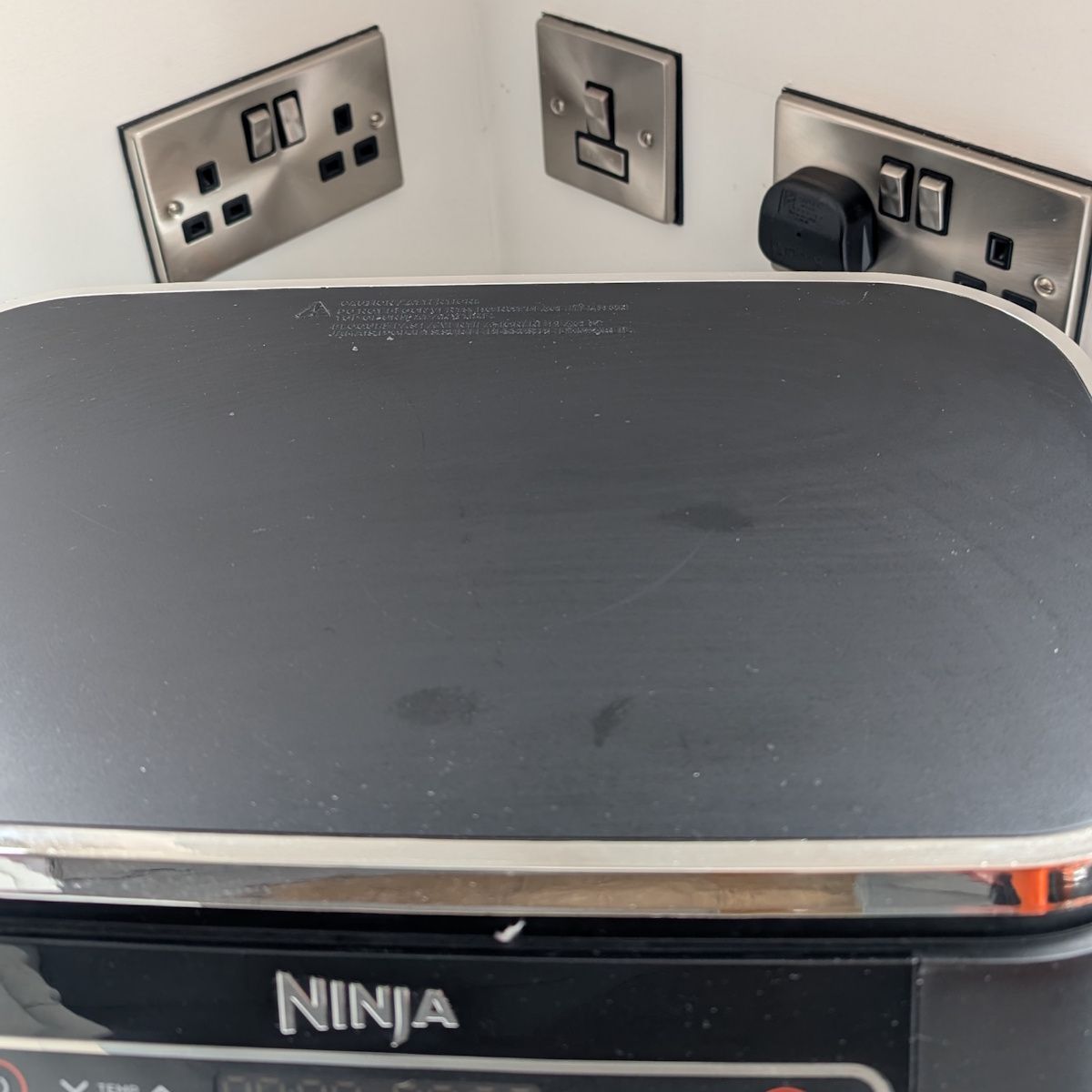
A ninja appliance sits in a corner of a kitchen, in front of 3 plug sockets.
by Tom Clewer 23 April 2025
www.fixedwiredtelford.com provides trusted electrical repairs and EICR certificate services to keep your property safe and up to standard.
A person is using a clamp meter to test a circuit board for EICR
by Tom Clewer 5 April 2025
Is an EICR a legal requirement for landlords? Learn about your electrical safety obligations and why an EICR is crucial for protecting your tenants.
More posts