Is Fixed Wire Testing the Same as PAT Testing?
Understanding the Difference Between Fixed Wire Testing (EICR) and PAT Testing
When it comes to electrical safety in properties, two terms often arise: fixed wire testing and PAT testing.
While both processes are essential for ensuring a safe electrical environment, many people get confused about their differences. In this post, we will dive into what fixed wire testing is and how it differs from PAT testing.
What is Fixed Wire Testing?
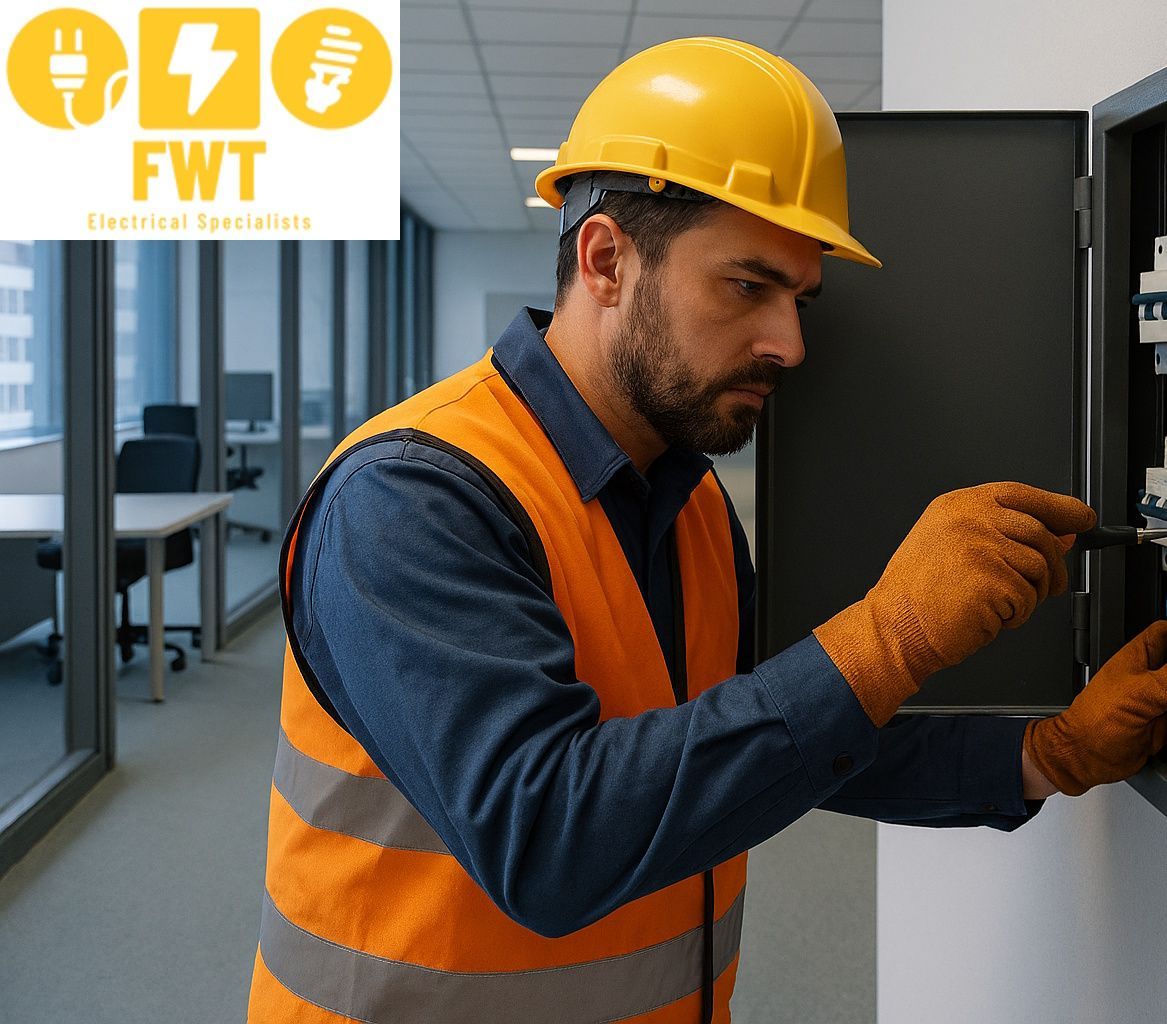
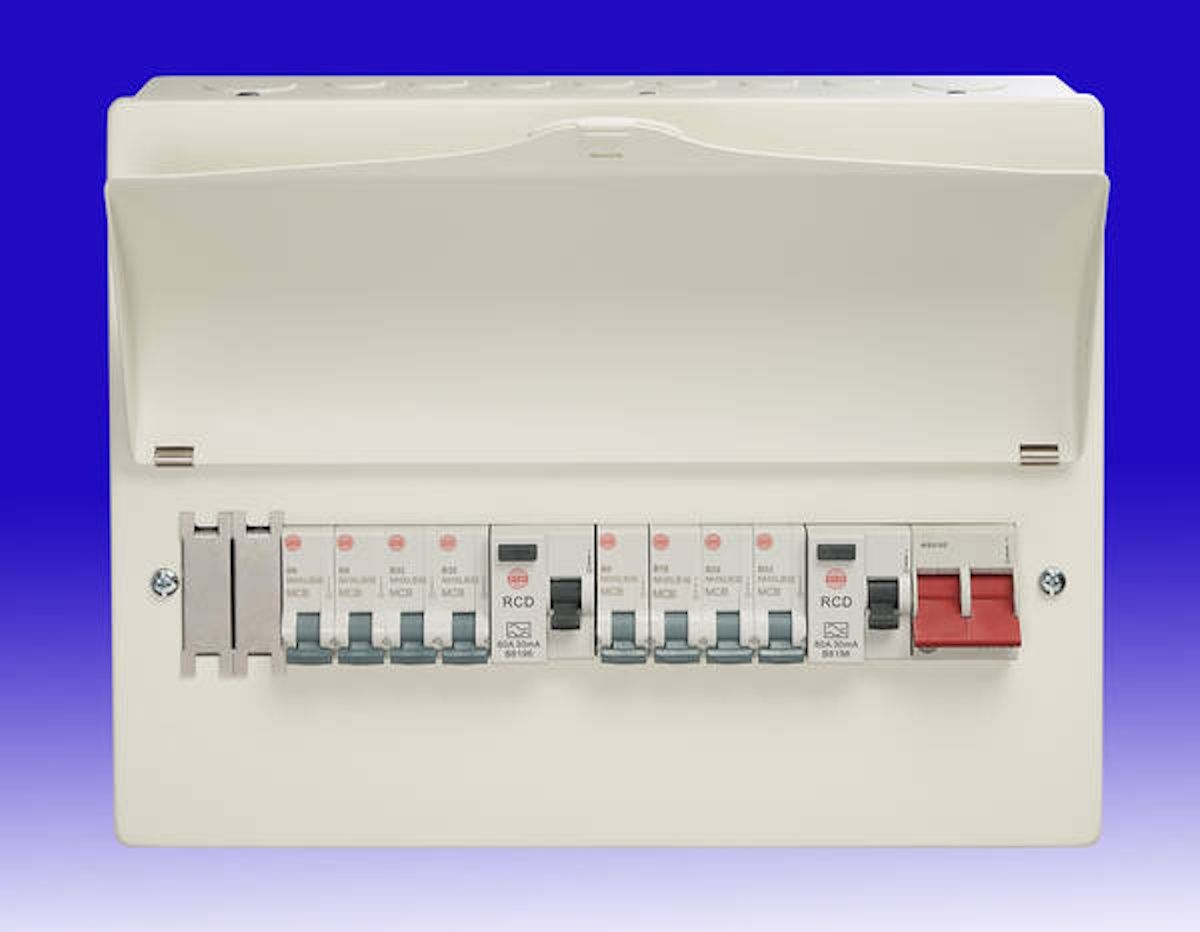
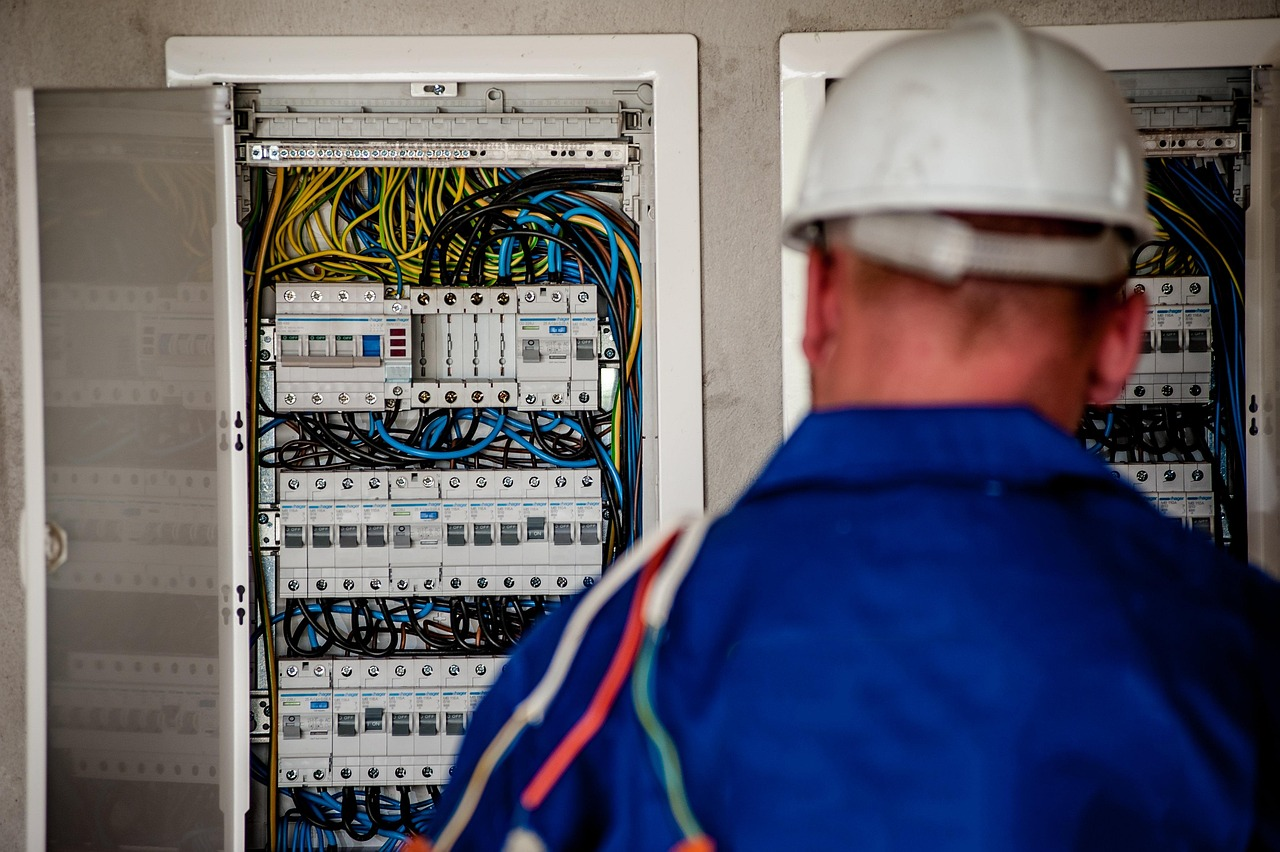
Fixed wire testing is a comprehensive assessment of electrical wiring systems in a building. This testing is typically carried out by qualified electricians and involves inspecting fixed installations like wiring, sockets, and distribution boards. The process ensures that the electrical system complies with safety regulations and is safe for use.
Fixed wire testing is governed by the IET Wiring Regulations (BS 7671) and is usually recommended every 5 years for commercial properties or upon significant changes to an electrical system. It involves both visual inspections and detailed testing of various electrical components and circuits.
The outcome of fixed wire testing is provided in the form of an Electrical Installation Condition Report (EICR), which identifies any potential issues such as:
- Undue wear and tear
- Degradation of insulation
- Overloading of circuits
- Inadequate earthing or bonding
Overall, understanding what fixed wire testing is crucial for property owners who want to maintain a safe working environment.
Understanding PAT Testing
PAT testing, or Portable Appliance Testing, is a different procedure aimed at the safety of electrical appliances that can be moved around. This is crucial in public venues and businesses where staff or customers use diverse electrical devices.
During PAT testing, each portable appliance is subjected to a series of tests meant to detect faults that could lead to electric shocks or fires. A PAT test involves checking visual aspects, including the condition of plugs and leads; and conducting electrical tests to ensure the appliances function safely.
Key aspects of PAT testing include:
- Visual inspection of the appliance for any visible faults or hazards
- Insulation resistance test to check if current is leaking
- Earth continuity test for appliances that require earthing
The frequency of PAT testing can vary. It is often recommended annually, depending on the type of appliance and environment in which it is used.
Key Differences Between Fixed Wire Testing and PAT Testing
While both fixed wire testing and PAT testing aim to ensure electrical safety, they cater to different aspects of electrical systems.
Scope of Testing
Fixed wire testing covers the entire electrical installation within a building—this includes wiring, sockets, and the general installation. In contrast, PAT testing is specific to individual portable appliances and their safety.
Testing Frequency
The timing for these tests varies significantly. Fixed wire testing is generally conducted every five years for commercial properties, whereas PAT testing is usually performed annually, especially in environments where appliances are frequently used.
Certification and Documentation
Fixed wire testing results are documented in an Electrical Installation Condition Report (EICR), while PAT testing results are recorded on PAT test labels that are affixed to the appliances tested.
Responsibility
The responsibility for conducting fixed wire testing typically falls on the landlord or business owner, whereas, for PAT testing, employees using portable appliances may be responsible for ensuring that these tests are conducted regularly.
Why Both Tests are Essential
Both fixed wire testing and PAT testing play distinct yet complementary roles in maintaining electrical safety. Implementing both ensures that not only are the installations safe, but the appliances in use are also compliant with safety standards.
Failure to conduct either form of testing can lead to severe consequences, including electrical fires, electric shocks, and potential legal liabilities.
Final Thoughts
In conclusion, while both fixed wire testing and PAT testing significantly contribute to electrical safety, they serve different purposes and encompass different testing procedures. Understanding what fixed wire testing is and how it relates to PAT testing is essential for any property owner or manager serious about maintaining a safe environment.
Regularly conducting both forms of testing not only protects investments but ensures the safety and well-being of all individuals within the surroundings. Always consult qualified professionals to conduct these important safety tests to keep your electrical systems in top condition.